
0
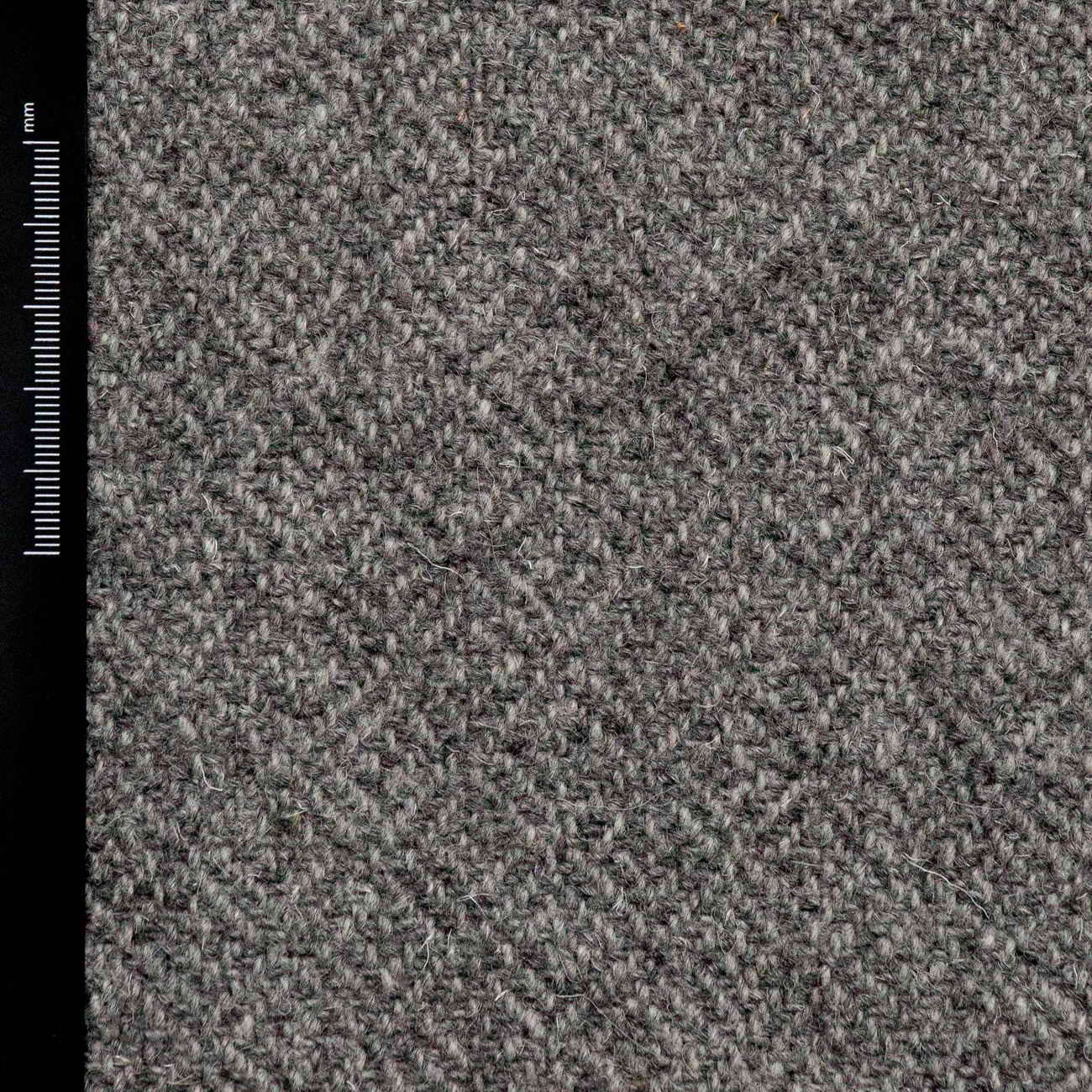
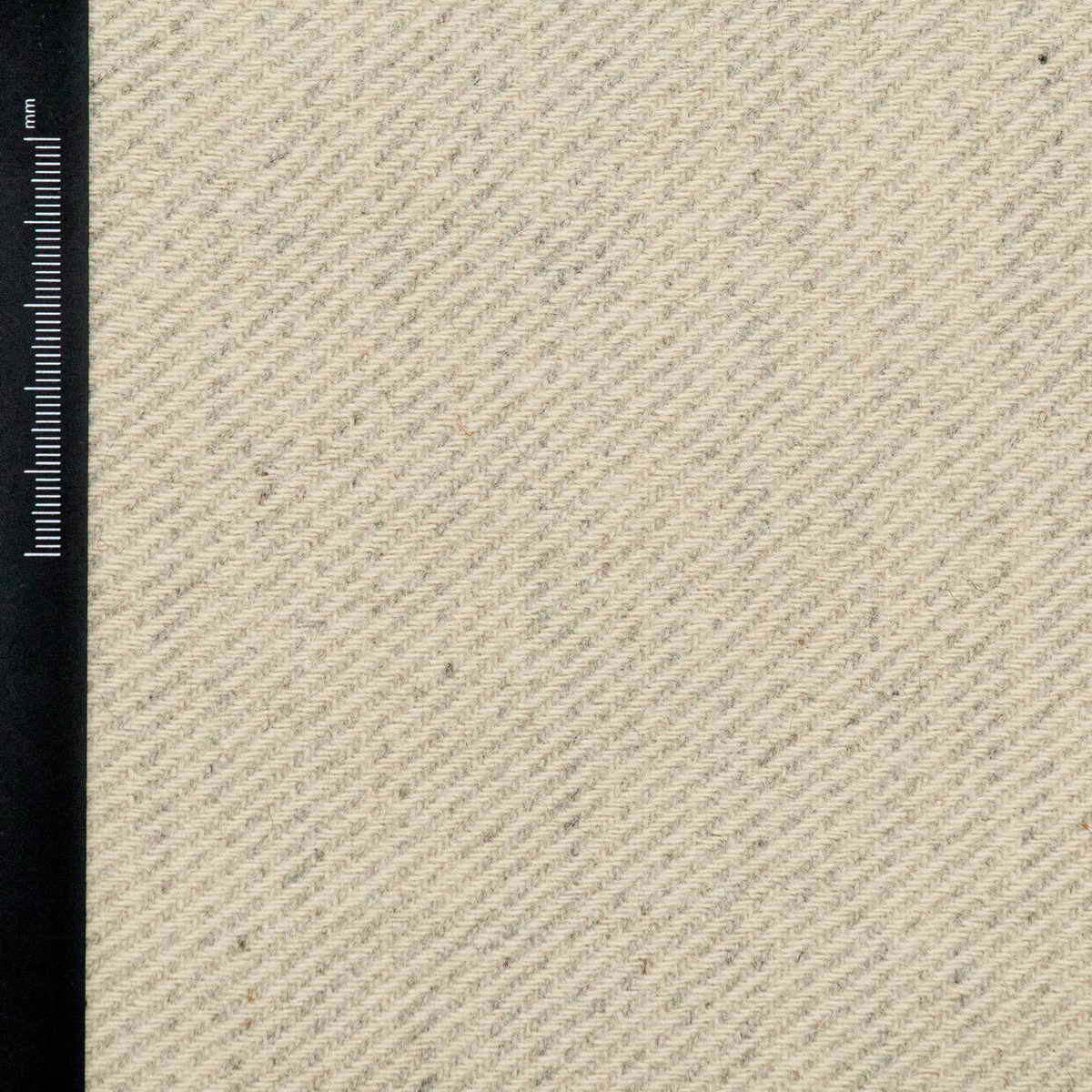
Wool Heavy Diamond – Grey Melange – WCHTD 0504/01
$ 90.24
Why European wool? European wool differs from the more commonly known merino wool because it comes from different sheep breeds. This wool meets historical standards, making it an ideal choice for historical reenactment projects. Unlike merino wool, European wool is characterized by both long fibers and shorter, thicker outer hairs. This combination creates a more three-dimensional and multi-dimensional structure. This wool boasts properties such as durability, high abrasion resistance, and historical authenticity. However, the presence of shorter, stiffer hairs makes European wool rougher and more irritating to the skin than the softer merino alternative. What is the WCHT collection? The WCHT collection is a specially prepared assortment of fabrics inspired by archaeological finds. These unique textiles are produced in limited quantities at the weaving mill of Ilia Staricov in Europe. Utilizing horizontal looms equipped with a "flying shuttle," these fabrics authentically replicate historical weaving techniques. Each piece in the WCHT collection embodies a blend of ancient craftsmanship and meticulous modern production, offering a rare opportunity to experience textiles steeped in history. Why to worth to buy wool fabrics? Wool fabrics are worth buying for several compelling reasons: Insulation: Wool provides excellent warmth, making it ideal for cold weather. Breathability: It regulates body temperature, keeping you comfortable in various climates. Durability: Wool is strong and resilient, ensuring long-lasting use. Moisture Management: It naturally wicks away moisture, keeping you dry. Odor Resistance: Wool's antibacterial properties prevent odors, even with prolonged wear. Sustainability: Wool is a renewable, biodegradable, and eco-friendly material. Choosing wool fabrics combines comfort, functionality, and environmental benefits, making it a smart investment for quality and sustainability. What is a diamond weave pattern? The diamond weave pattern, also known as the rhombus weave, is a type of fabric structure in which the surface forms a regular grid of diamond (or rhombus) shapes. This pattern is created directly during the weaving process through the precise interlacing of warp and weft threads. Diamond weave belongs to the category of patterned weaves. It is formed by systematically raising and lowering warp threads so that the weft yarns create a distinctive, symmetrical motif. The result can be subtle (visible only as a change in texture) or clearly defined — depending on the type of yarn, color contrast, fabric density, and the weaving technique used (e.g., jacquard weave). Diamond weaves are used in a wide range of fabrics, from practical to decorative. They can be found in traditional folk textiles, as well as in linen, woolen, and historical garments or home décor fabrics. In addition to their aesthetic appeal, diamond weaves also enhance the durability and structure of the material.
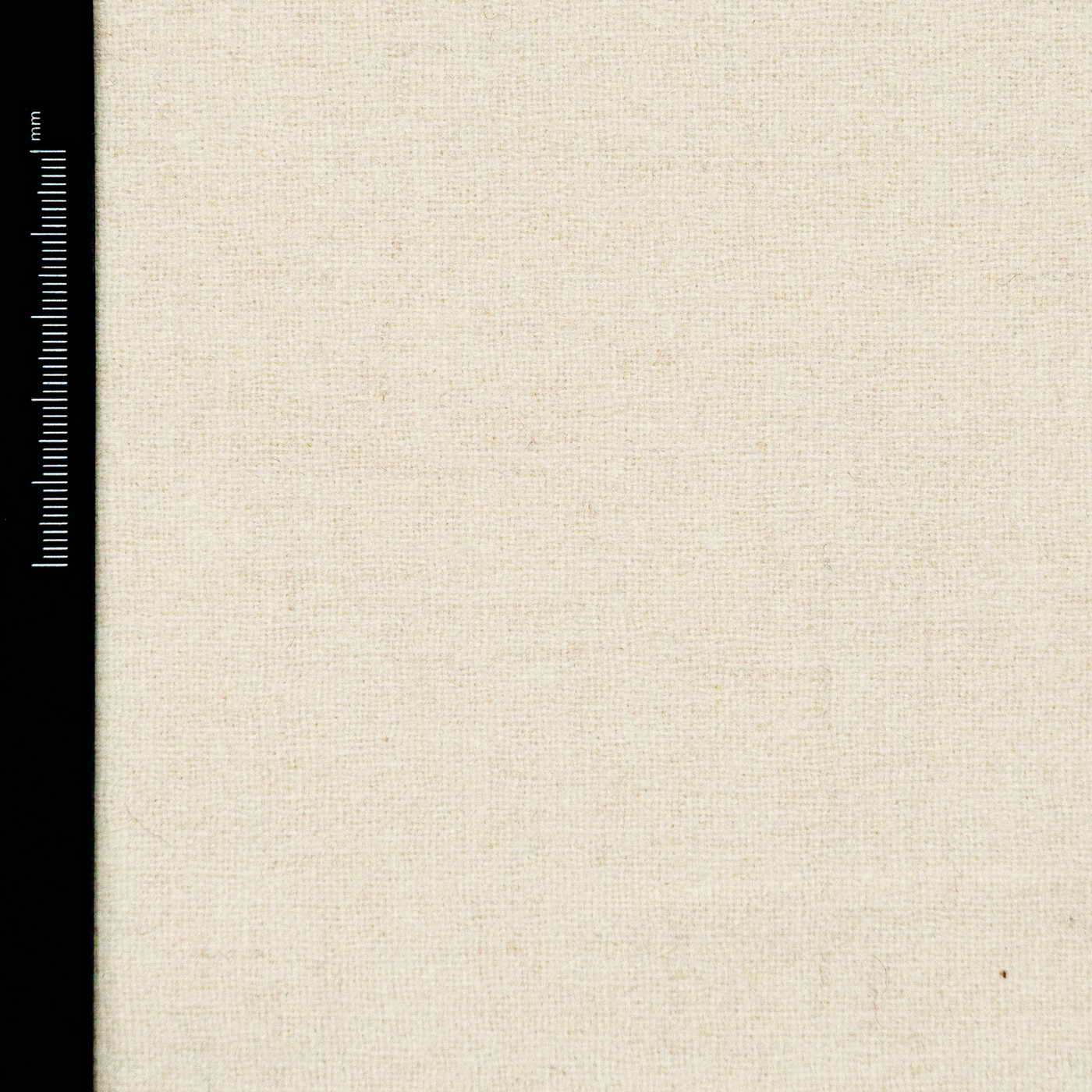 Wool Thin Plain Weave – Natural Off White – WKP 01/01
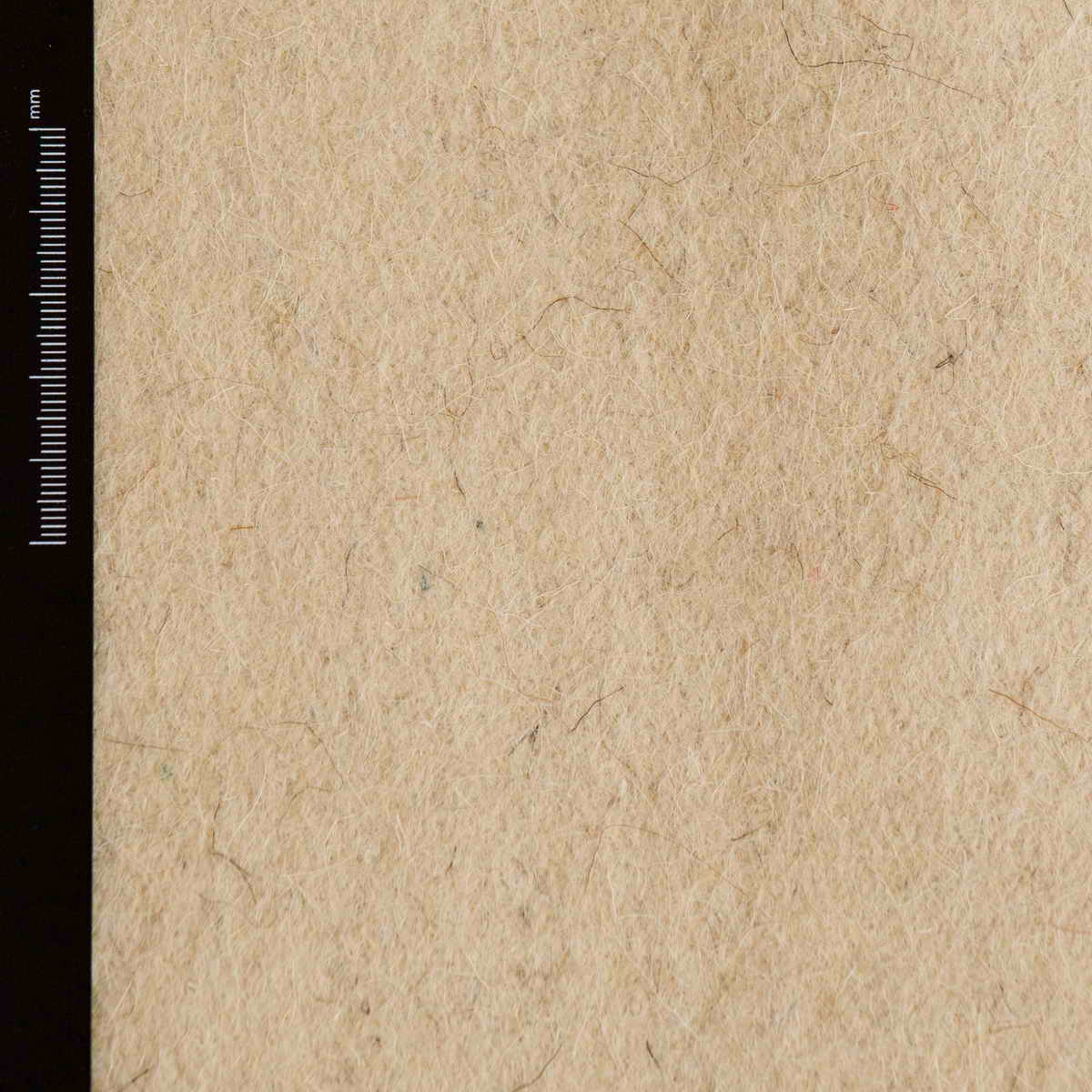 Wool Heavy Loden Fulled Twill – off White – WWL 01/02
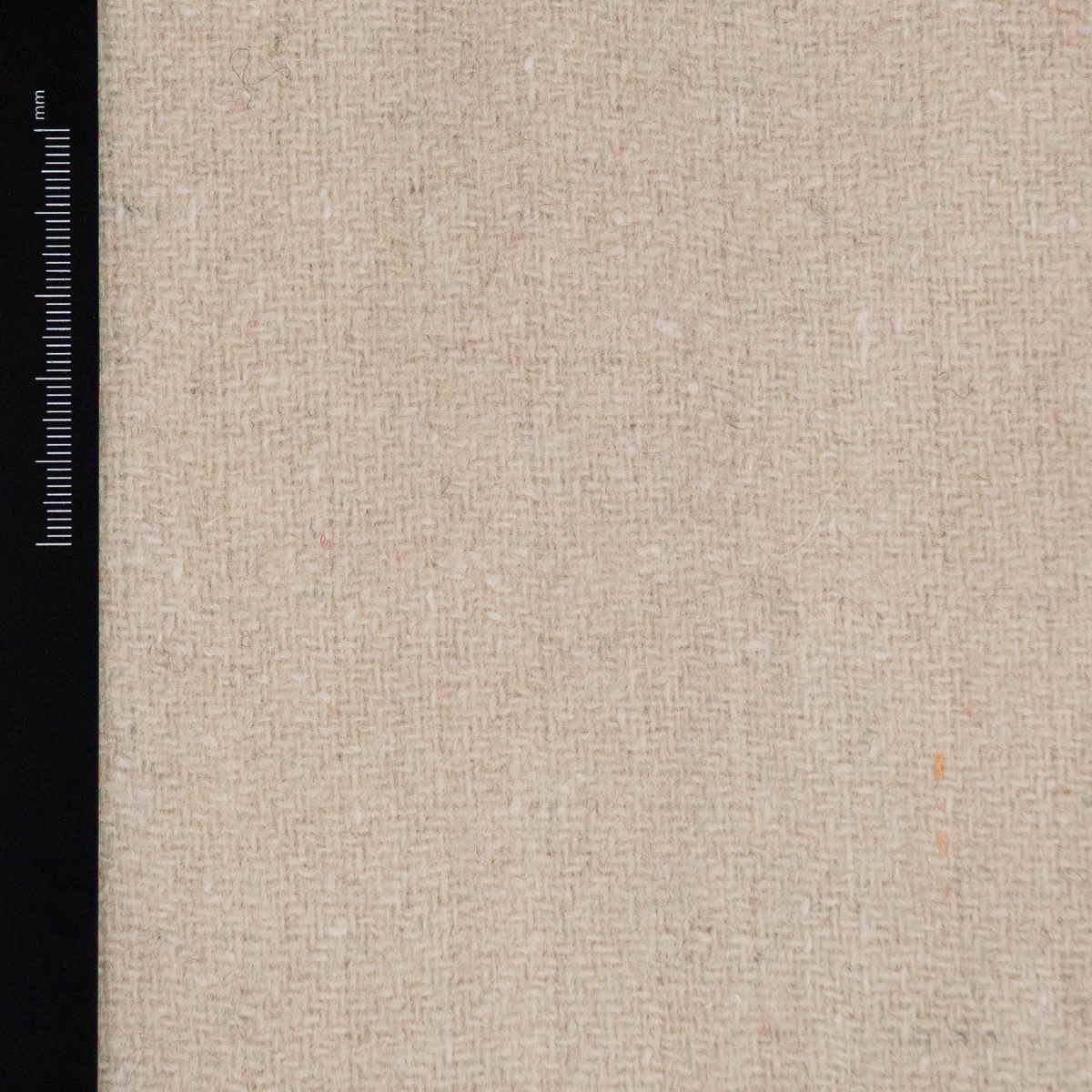 Wool Broken Diamond – Natural off White – WD 01/03
 Wool Thin Twill – White Grey Diagonal – WKT 0204/02